Choosing a psyllium husk supplier is an important decision for international food and ingredient buyers. A supplier may offer an attractive price, but long-term sourcing requires much more than a competitive quotation.
For bulk buyers, the real test is whether a supplier can consistently provide the agreed specification, maintain product quality, support traceability, prepare the required documentation and deliver according to the agreed commercial terms.
This guide explains seven practical traits that can help buyers evaluate psyllium husk suppliers before entering a long-term sourcing relationship.
Why Supplier Selection Matters for Psyllium Husk
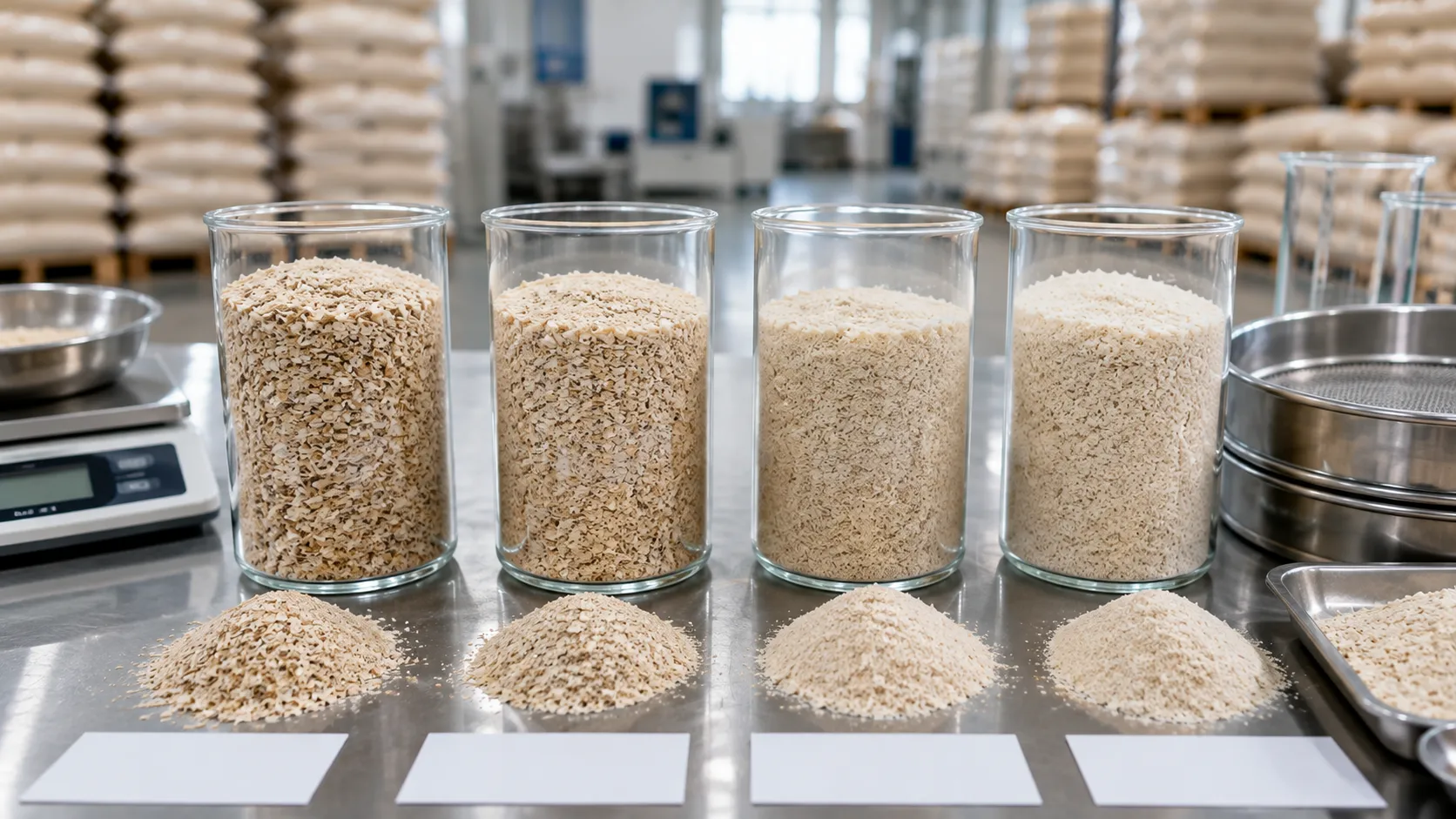
Psyllium husk is a specification-sensitive ingredient. Buyers can have requirements related to purity, moisture, swelling performance, mesh size, appearance, microbiological quality and other application-specific parameters.
If these requirements are not clearly established with the supplier, two shipments described simply as “psyllium husk” may not necessarily represent the same commercial specification.
A reliable supplier relationship therefore begins with a clearly defined product requirement.
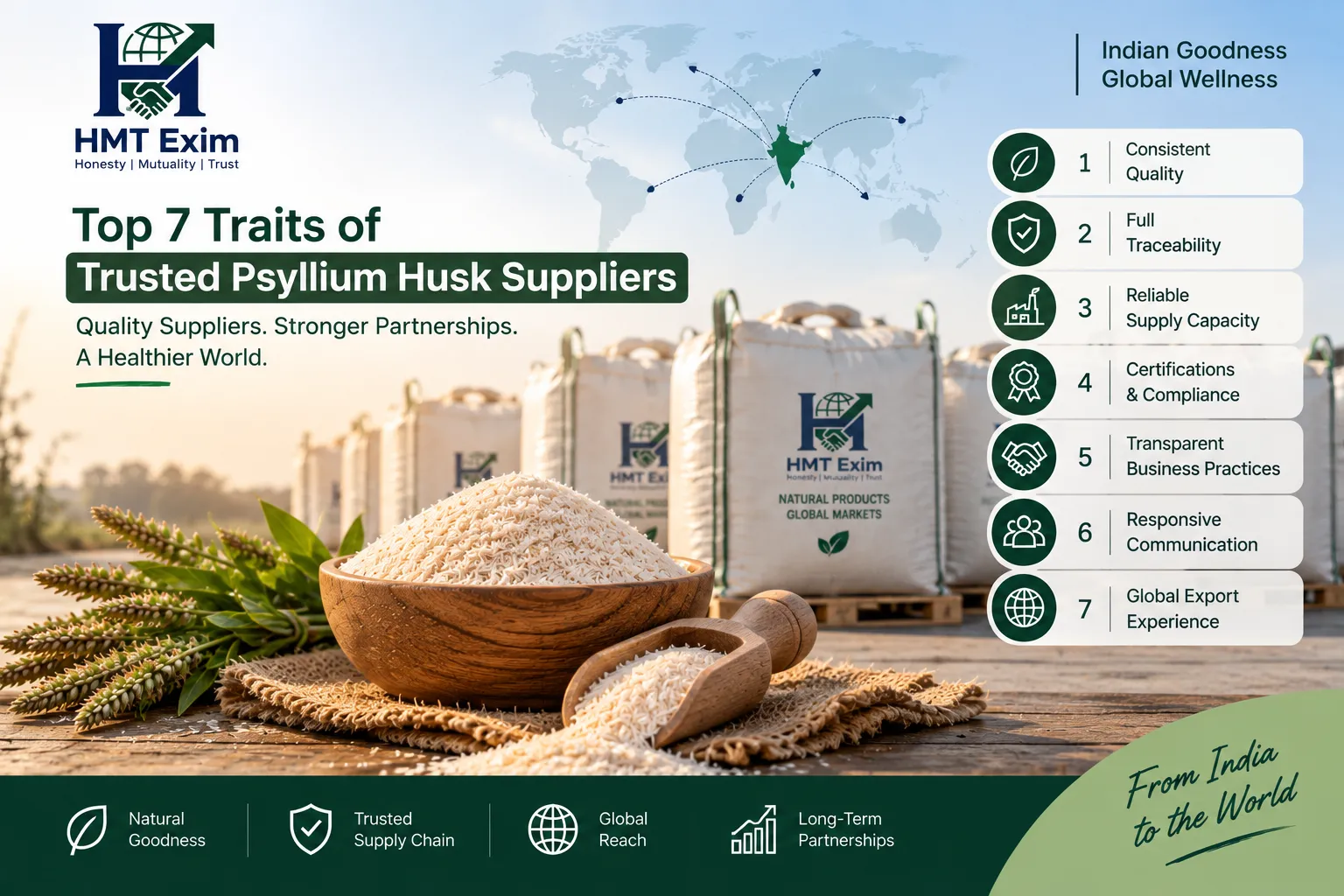
The 7 Traits of a Trusted Psyllium Husk Supplier
- Consistent product specifications
- Clear quality-control practices
- Strong batch traceability
- Reliable testing and documentation
- Transparent communication
- Practical export and logistics capability
- Ability to support long-term supply
1. Consistent Product Specifications
The first trait is consistency.
A supplier should understand the buyer's required specification and be able to work toward the same specification across commercial shipments.
For psyllium husk, the buyer may establish requirements covering purity, moisture, swelling performance, mesh size and other parameters relevant to the intended application.
Specifications should be documented rather than communicated only through informal messages.
See Psyllium Husk Specifications: Purity, Moisture, Swelling Index and Mesh Explained for a detailed overview of key parameters.
2. Clear Quality-Control Practices
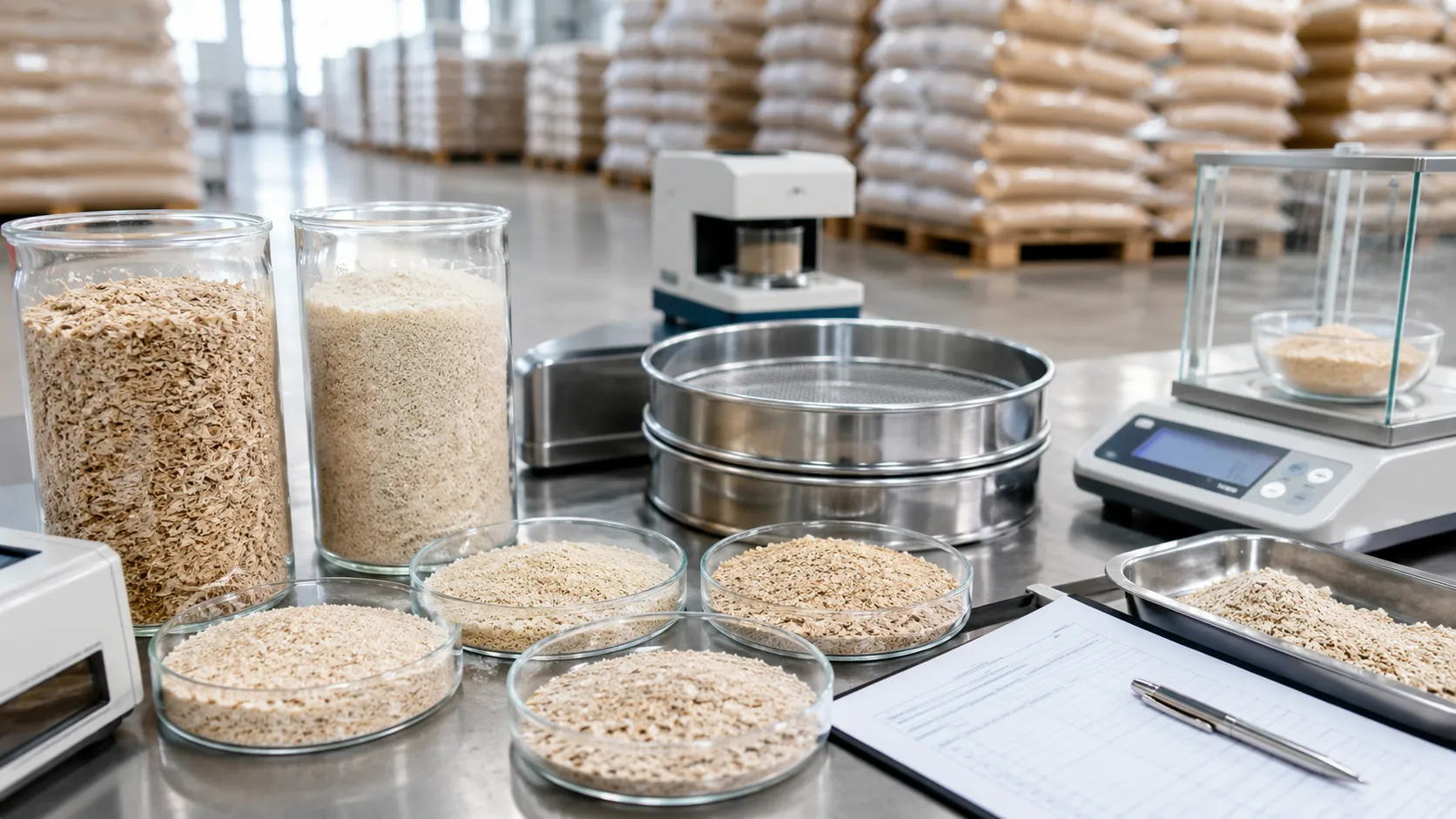
A supplier should be able to explain how product quality is checked before shipment.
Buyers should understand whether quality checks are performed during processing, before packaging, before dispatch or at multiple stages.
Useful questions include:
- Which parameters are routinely tested?
- How are samples collected?
- Who performs the testing?
- How are non-conforming batches handled?
- How is the approved specification communicated to the processing and packing teams?
The exact quality-control system can differ between suppliers, so buyers should evaluate the process actually used by the company.
3. Strong Batch Traceability
Traceability allows a buyer to connect the physical product with identifiable batch or lot information and relevant records.
This becomes particularly important for recurring bulk purchases because an importer may hold several shipments or lots in inventory at the same time.
A supplier should be able to explain how the batch supplied to the buyer is identified and how the corresponding quality documentation is maintained.
Traceability is also useful when investigating a quality concern because it provides a way to identify the affected material and associated records.
4. Reliable Testing and Documentation
A professional supplier should be prepared to provide appropriate quality documentation for the agreed transaction.
Depending on the product specification and buyer requirements, this can include a Certificate of Analysis or other laboratory documentation.
The buyer should check that the documentation corresponds to the supplied product or batch where batch-specific testing is expected.
Testing requirements should be agreed before the commercial order rather than introduced unexpectedly after production.
5. Transparent Communication
Communication is often overlooked during supplier selection, but it becomes increasingly important when orders involve international shipping, quality documentation and multiple parties.
A dependable supplier should communicate clearly about:
- Product availability
- Specification
- Sample status
- Production or processing timeline
- Packaging
- Inspection and testing
- Shipment schedule
- Documentation
- Changes that could affect the order
Good communication does not mean that every supplier must respond instantly. It means important commercial information is communicated clearly and consistently.
6. Practical Export and Logistics Capability
International sourcing involves more than preparing the product.
The supplier or exporter needs to coordinate the commercial and shipment process according to the agreed transaction.
Buyers should understand whether the supplier can manage or coordinate:
- Export documentation
- Packaging and marking
- Customs-related information
- Freight coordination
- Container or shipment planning
- Transport documentation
- Destination-specific documentation where applicable
The exact responsibilities depend on the agreed Incoterm and transaction structure.
For more on delivery responsibilities, read How to Choose the Right Incoterm for Food Exports from India.
7. Ability to Support Long-Term Supply
A supplier that can successfully complete one shipment may not automatically be the right partner for a recurring procurement program.
Long-term buyers should discuss expected shipment frequency, approximate annual demand, lead times and how the agreed specification will be maintained across future orders.
The supplier should also be able to explain how changes in raw-material availability, processing schedules or packaging requirements would be communicated.
Price Is Only One Part of Supplier Evaluation
Price is naturally important in international procurement, but it should not be evaluated separately from the rest of the commercial proposal.
Two suppliers may quote different prices because they are offering different specifications, packaging, testing, delivery terms or payment conditions.
A buyer should therefore compare suppliers on a like-for-like basis.
How to Test a New Supplier Before a Large Order
International buyers can reduce uncertainty by using a staged qualification process.
- Define the required specification.
- Request supplier information and relevant credentials.
- Ask for a representative sample.
- Review the available quality documentation.
- Test the sample where required.
- Discuss packaging and shipment requirements.
- Request a detailed quotation.
- Confirm commercial and payment terms.
- Place an initial order appropriate to the buyer's qualification process.
- Review the shipment after arrival.
This approach allows the buyer to evaluate the supplier's actual performance rather than relying only on a company profile or sales presentation.
Questions to Ask a Psyllium Husk Supplier
- What exact specification can you supply?
- Which parameters are tested for each shipment?
- Can you provide a representative sample?
- Can you provide a batch-specific Certificate of Analysis?
- How is batch traceability maintained?
- Where is the product processed?
- What packaging options are available?
- What quantities can you supply regularly?
- What is the typical lead time?
- Which export documents are provided?
- Which Incoterms can you quote?
- What payment terms are available?
- How are quality complaints handled?
Watch for Inconsistencies During Supplier Qualification
Buyers should pay attention when information changes between the sample, quotation and proposed commercial order.
Examples can include differences in stated purity, packaging, minimum order quantity, lead time or documentation requirements.
Not every change is necessarily a problem, but material differences should be explained and documented before the order is confirmed.
Supplier Communication After the First Order
Supplier evaluation should continue after the first shipment.
Buyers can maintain a simple supplier-performance record covering shipment timing, product conformity, packaging condition, documentation accuracy and communication.
Over time, this creates an evidence-based view of supplier performance rather than relying only on the initial sales process.
Storage and Handling Are Also Part of Quality
Even a well-controlled shipment can be affected by poor storage after arrival.
Importers should therefore maintain appropriate warehouse conditions, protect packaging from moisture and damage, preserve batch identification and use suitable stock-rotation procedures.
Read Best Practices for Storing Bulk Psyllium Husk for Importers for practical storage guidance.
Supplier vs. Manufacturer
A trusted supplier does not necessarily have to own the processing facility.
Some exporters coordinate supply through established processors or manufacturers. What matters is whether the supplier can provide transparency about the supply chain and maintain the agreed quality and documentation requirements.
For more on this distinction, see Psyllium Husk Supplier vs. Manufacturer: What Should International Buyers Choose?.
Building a Long-Term Psyllium Sourcing Relationship
Once a supplier has demonstrated consistent performance, the buyer and supplier can establish a more structured recurring procurement process.
This can include an agreed specification, standard packaging format, recurring testing requirements, shipment schedule and document checklist.
The objective is to make each future order easier to execute while keeping the product requirements clear.
How HMT Exim Approaches Buyer Requirements
HMT Exim works with international B2B buyers sourcing Indian agricultural and food ingredients and discusses product specifications, packaging, documentation and shipment requirements before order confirmation.
For psyllium husk enquiries, buyers can provide their required specification, quantity, packaging and destination so the sourcing discussion can be based on the actual commercial requirement.
To discuss a bulk psyllium sourcing requirement, contact HMT Exim.
Frequently Asked Questions
What makes a psyllium husk supplier trustworthy?
Important traits include consistent specifications, clear quality controls, traceability, reliable documentation, transparent communication, export capability and the ability to support recurring supply.
Should I choose a psyllium supplier based on the lowest price?
Price should be compared alongside specification, quality, testing, packaging, delivery terms, payment conditions and total landed cost.
How can I check psyllium supplier quality before ordering?
Define your specification, request a representative sample, review quality documentation and conduct testing where required before placing a larger order.
Why is traceability important for bulk psyllium?
Traceability connects the physical product with batch or lot information and supporting records, which helps buyers manage inventory and investigate quality issues.
Can a trader or exporter be a reliable psyllium supplier?
Yes. A supplier does not necessarily need to process the product itself. Buyers should evaluate how the supplier controls its processing and sourcing network, quality requirements, traceability and export operations.
Final Takeaway
A trusted psyllium husk supplier is defined by consistent performance rather than a company label or a low quotation alone.
International buyers should look for clear specifications, reliable quality controls, traceability, appropriate testing, transparent communication, export capability and the ability to support future orders.
A structured supplier-qualification process can help buyers move from one-time purchasing toward a more reliable long-term sourcing relationship.
If you are looking for a psyllium husk sourcing partner in India, contact HMT Exim with your required specification, quantity and destination.